64-Acre Asphalt Plant & Gravel Pit
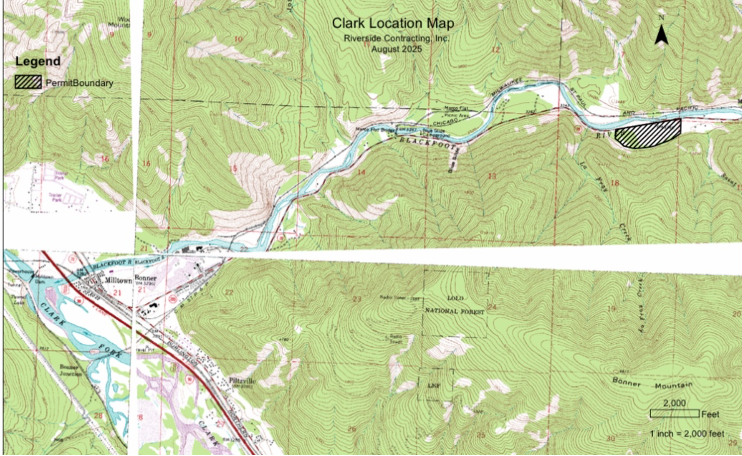
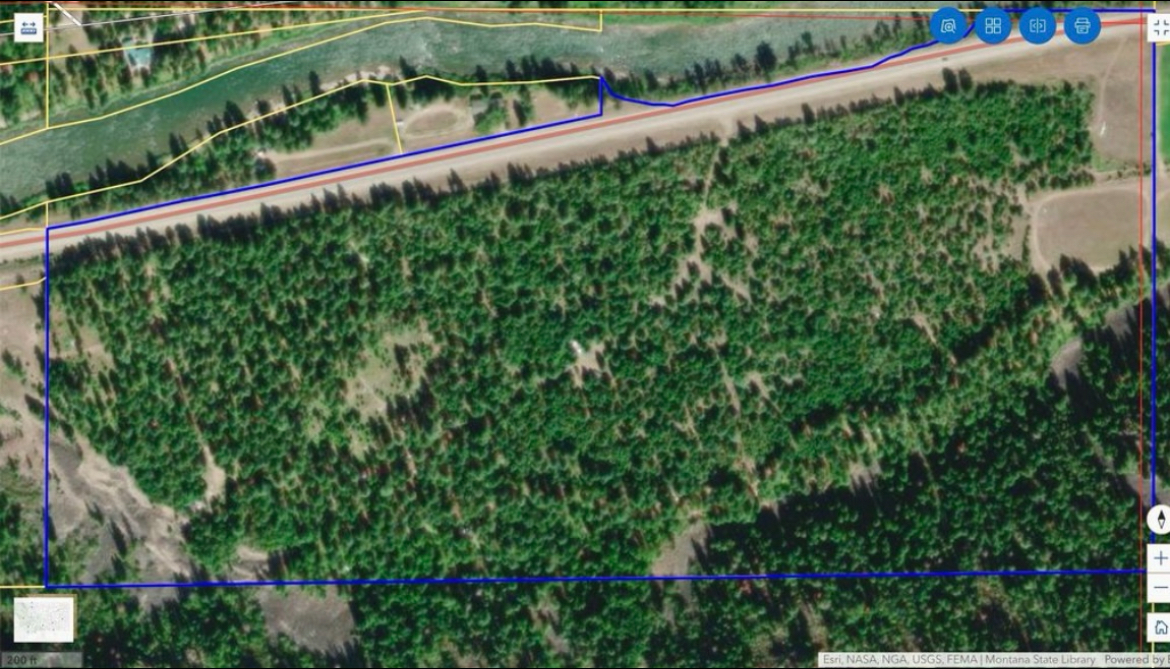
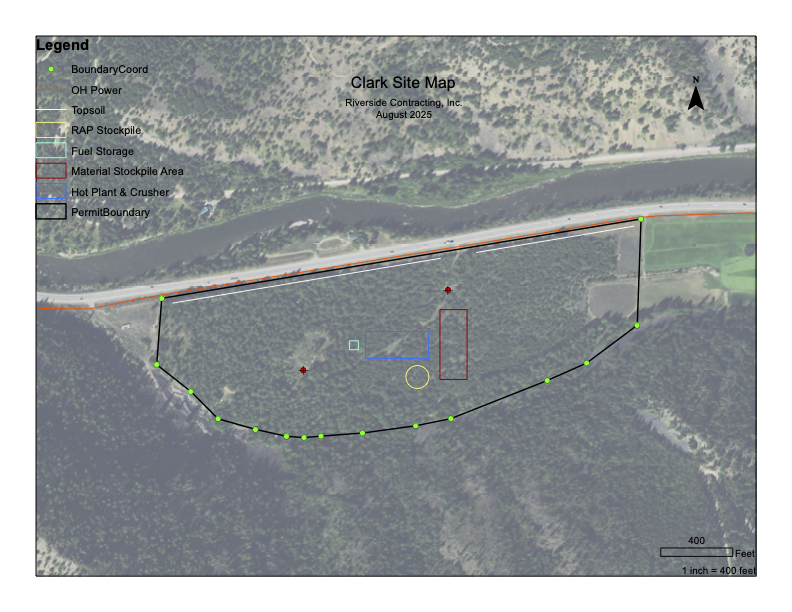
On September 19, 2025, a Land Use and Zoning Compliance permit was filed to create a 64-acre gravel pit operation with a crushing mill and hot-mix asphalt plant at 14815 Highway 200 about 3.5 miles upstream of Bonner and 6.5 miles downstream of Johnsrud Fishing Access Site in the Blackfoot River corridor.
Dust, runoff, and excavation can degrade water quality, disrupt groundwater flow, and increase contamination risks. Fuel and asphalt byproducts—like hydrocarbons, heavy metals, and fine sediments—can leach into groundwater and nearby wells if proper safeguards aren’t in place.
Gravel pits generate dust, diesel exhaust, and fine particulate matter (PM₁₀ and PM₂.₅) that can travel long distances, increasing health risks—especially with chronic exposure. Major health agencies agree there is no safe level of fine particulate pollution, which is linked to heart disease, asthma, lung cancer, and allergies. In the Blackfoot valley, air inversions can trap this pollution close to the ground, worsening impacts on nearby residents.
The Blackfoot River corridor is critical habitat and a key migration route for elk, deer, bighorn sheep, grizzlies, eagles, migratory birds, and native fish. Its cold, clean tributaries support Bull Trout (a federally threatened species) and Westslope Cutthroat. Industrial noise, lighting, dust, and heavy truck traffic from a gravel pit and asphalt plant would fragment habitat, disrupt migration, and degrade the clean water and air wildlife depend on. Local partners like the Blackfoot Challenge have recently invested heavily in restoring and protecting habitat just north of this corridor — an industrial operation here risks undermining that work.
Heavy truck traffic, constant noise, and diesel emissions would threaten public safety along Hwy 200. The site sits about 4 miles past Bonner where the first passing lane begins at 65 mph, so slow-moving trucks turning in and out would increase crash risk even with turn lanes. Industrial hauling also accelerates road wear, driving up taxpayer-funded maintenance costs.
A healthy Blackfoot River supports more than 9,000 guided outfitter days (2018) and feeds into Montana’s $1.27 billion annual angling economy. Industrializing this corridor risks degrading its serenity and recreation value, deterring visitors and causing long-term economic and environmental harm that’s difficult and costly to undo.
Studies show that home values near gravel pits can drop by as much as 30%. This doesn’t just harm individual homeowners — it also shrinks the county’s tax base, reducing revenue for schools, roads, and public services, and discouraging reinvestment in the community.
The Blackfoot River has always been more than a place: it’s part of who we are. It’s where families gather, where wildlife thrives, and where the spirit of Montana still runs wild and free.
Now, that legacy is at risk. A proposed 64-acre gravel pit and asphalt plant threatens to industrialize the Blackfoot River corridor, pollute its waters, and change this landscape forever.
Sign the Petition

64-Acre Asphalt Plant & Gravel Pit
On September 19, 2025, a Land Use and Zoning Compliance permit was filed to create a 64-acre gravel pit operation with a crushing mill and hot-mix asphalt plant at 14815 Highway 200 about 3.5 miles upstream of Bonner and 6.5 miles downstream of Johnsrud Fishing Access Site in the Blackfoot River corridor.
The permit applicant is Riverside Contracting, Inc.
The project is now under review by Missoula County. If approved, the gravel pit and asphalt plant would bring significant air and water pollution, heavy truck traffic, and industrial noise to one of Montana’s most cherished river valleys. These impacts threaten public health, wildlife habitat, and the natural character of the Blackfoot corridor. Increased trucking along Highway 200 would raise safety concerns, create noise pollution, and pass costly turn-lane improvements on to local taxpayers.
Beyond immediate damage, such industrialization risks eroding the serenity and recreation value of the river deterring visitors and causing long-term harm that is difficult and costly to reverse. The lessons of Butte’s Berkeley Pit and the Milltown Dam cleanup serve as stark reminders of what happens when short-term development outweighs environmental responsibility.
On September 19, 2025, a Land Use and Zoning Compliance permit was filed to create a 64-acre gravel pit operation with a crushing mill and hot-mix asphalt plant at 14815 Highway 200 about 3.5 miles upstream of Bonner and 6.5 miles downstream of Johnsrud Fishing Access Site in the Blackfoot River corridor.
Policy Background
According to the Missoula Current, this proposal is enabled by House Bill 599 (2021) a state law that made it far easier for companies to obtain open-cut mining permits while limiting public oversight. The bill:
- Created a “dryland permit” that relies solely on an applicant’s claim that surface water won’t be affected.
- Reduced DEQ’s authority to review environmental impacts.
- Shortened public notice periods and removed the requirement for a hearing unless enough neighbors file objections.
Other Controversial Gravel Pits In Our Area
Communities across western Montana are already pushing back against industrial-scale gravel operations placed too close to rivers, homes, and wildlife corridors. These proposed sites show how widespread the problem has become—and why local action is urgently needed.
Learn more about two gravel pits that have faced strong public opposition:
Our Response
The Blackfoot River Community is calling on Missoula County to enact emergency interim zoning to protect public health, clean water, and wildlife habitat while long-term land-use solutions are considered.
State law allows county commissioners to establish an “interim zoning district” in response to an emergency affecting public health, safety, or general welfare. Once enacted, the county must begin a study within 30 working days, and the interim zoning remains in effect for up to two years.
Take Action
The Blackfoot River has always been more than a place it’s part of who we are. It’s where families gather, where wildlife thrives, and where the spirit of Montana still runs wild and free.
Now, that legacy is at risk. A proposed 64-acre gravel pit and asphalt plant threatens to industrialize the Blackfoot River corridor, pollute its waters, and change this landscape forever.
Your voice can help stop it.
Sign the petition urging the Missoula County Commissioners to:
- Immediately schedule an emergency zoning hearing focused on the Blackfoot River corridor near the proposed industrial site.
- Initiate the county’s interim or emergency zoning process to safeguard public health and safety, protect clean water and wildlife habitat, and preserve the unique character of this community while long-term land-use solutions are developed.
Every signature matters. Every voice helps.
Together, we can protect the river that runs through us.
Sign the Petition
The Blackfoot River has always been more than a place: it’s part of who we are. It’s where families gather, where wildlife thrives, and where the spirit of Montana still runs wild and free.
Now, that legacy is at risk. A proposed 64-acre gravel pit and asphalt plant threatens to industrialize the Blackfoot River corridor, pollute its waters, and change this landscape forever.